Understanding piecework recordkeeping
What constitutes a piecework recordkeeping entry and its purpose
In the payroll labyrinth, a sharp piecework record is the lantern that stops coins from wandering. Last year, 63% of payroll disputes in South Africa traced to sloppy piecework records—and yes, that statistic stings, but it’s true.
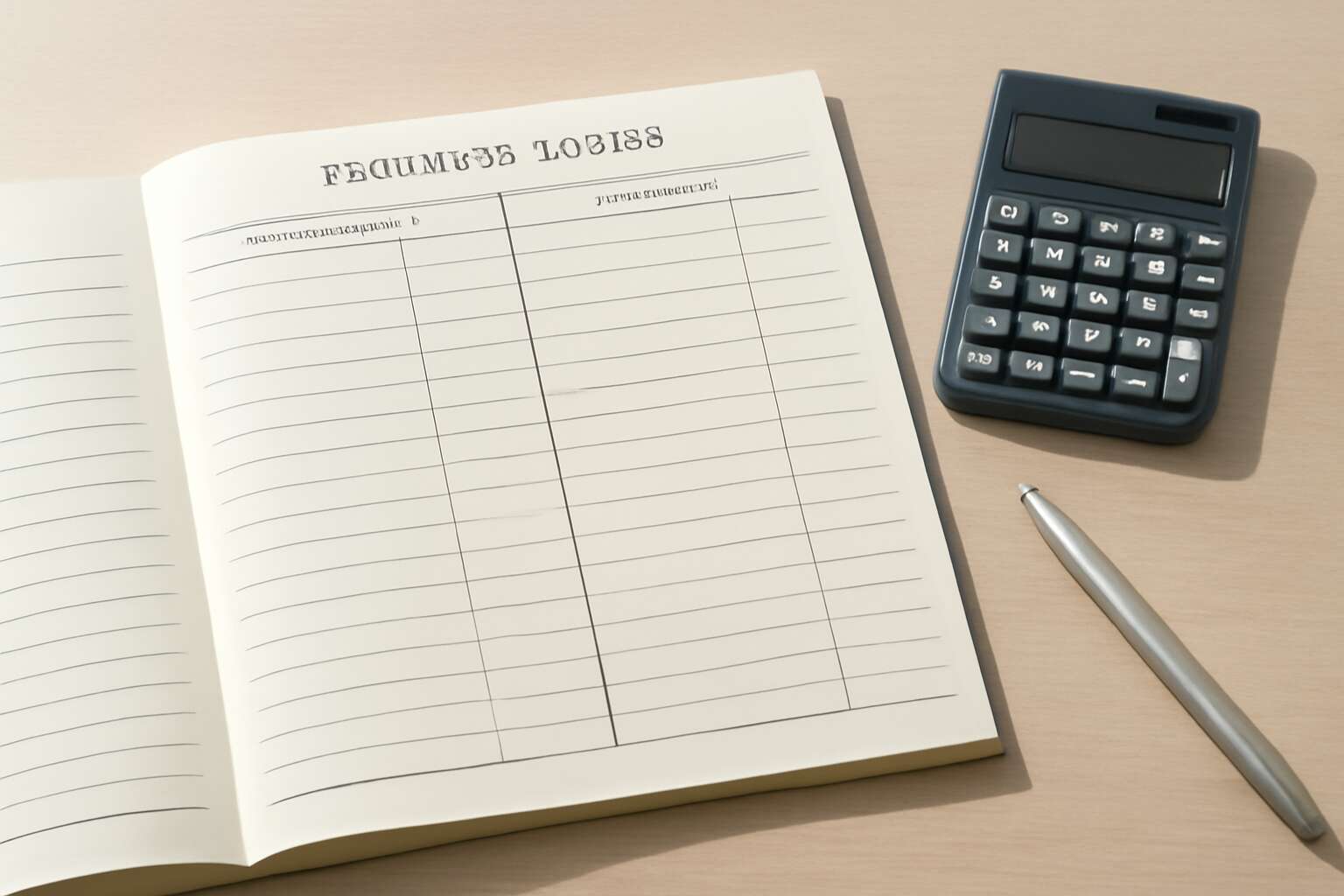
So, what constitutes a piecework recordkeeping entry? Each line should capture who did the work, what was done, when, how many units, the rate, and the resulting pay. The purpose is simple but mighty: provide a clear trail from task to payment and a readable audit log that even a stern auditor can follow without a magnifying glass.
- Worker name and ID
- Date and shift
- Task description
- Units produced
- Rate per unit
- Total pay and any adjustments
- Approvals or supervisor sign-off
Beyond compliance, a well-kept piecework record offers performance insight and payroll accuracy, making the day-to-day more humane and the month-end closer to fair play—and a few well-placed exclamation points!
Legal and tax implications of accurate records
Last year, 63% of payroll disputes in South Africa traced to sloppy piecework records. When the ledger becomes legend, the piecework record stands as shield and compass—tracing who did what, when, and for how much with unwavering clarity. Legal and tax implications grow clearer: regulators expect accurate reporting for PAYE, UIF, and audits, and a precise trail that defends both the business and its workers.
- Legal implications: penalties for misreporting, penalties during compliance checks, and labour-relations scrutiny
- Tax implications: correct deduction, timely remittance, and year-end reconciliation to satisfy PAYE obligations
Well-kept records turn payroll into a transparent fabric, where trust is earned and audits glide rather than collide with chaos.
Common mistakes in recordkeeping for piecework compensation
“A clean ledger forgives.” An auditor’s line gnaws at the quiet SA payroll room, where understanding piecework recordkeeping shapes every paycheck. When you’re tracking pieces completed, times, and rates, precision isn’t a nicety—it’s the spine of fairness. A proper piecework record captures who did what, when, and for how much, turning potential chaos into clarity that lasts beyond the shift.
- Incomplete or delayed time entries
- Misclassification of tasks or rates
- Rounding or averaging hours too aggressively
- Copy-paste errors between sheets or duplicate records
Forge consistency with every entry; the quiet ledger then becomes a living ally, rather than a ghostly witness to disputes.
How to classify records for audits and reporting
Understanding the piecework record is more than math—it’s trust. In South Africa’s bustling payroll rooms, accuracy isn’t optional—it’s the spine of fairness. “Accuracy is the bridge between effort and fairness,” auditors remind us, and I’ve learned a clean sheet makes the payroll conversation easier!
To classify records for audits and reporting, think in broad baskets: by task, by worker, by date, by location, and by rate method.
- Task type
- Worker identifier
- Date and time
- Location or project
- Rate structure
With consistent labeling, the record becomes a transparent chronicle that supports every pay decision and every audit trail.
Key components of a piecework recordkeeping system
Worker details and job identifiers
Within a robust system dedicated to the piecework record, the spine rests on precise worker details and clear job identifiers. These elements translate scattered tasks into accountable numbers, turning effort into a traceable ledger that payroll and compliance teams in South Africa can trust.
- Worker full name and employee number for unique identity
- Trade, role, or skill category to align tasks with pay scales
- Job identifier or contract code to distinguish assignments
- Time stamps, output quantities, and verified signatures to confirm production
Together, these components anchor reality in the data, reducing ambiguity and enabling smooth audits. When the system ties a worker to a specific job, the narrative of productivity becomes legible, humane, and enforceable.
Rate, quantity, and payout calculations
In a robust piecework record, rate, quantity, and payout calculations are not ancillary details; they are the spine that turns effort into an equitable ledger. Rate terms must be explicit, whether per unit, piece rate bands, or time-bound bonuses, to prevent drift when production shifts. Quantity tracking translates outputs into measurable units, while payout calculations convert those units into transparent pay. In a South African setting, this trio supports fair compensation, reduces disputes, and aligns payroll with compliance expectations.
- Rate clarity and consistency across shifts and contracts
- Accuracy in measuring quantity produced (units, bundles, or batches)
- Automated payout validation and timely reconciliation
Together, these components make this ledger something more humane than numbers—an instrument of trust that rewards real work without guesswork.
Time tracking methods
Time is money, and in South Africa’s diverse job markets—from the citrus corridors to urban warehouse floors—a reliable timekeeping backbone turns effort into a fair ledger. A robust record keeps disputes at bay and ensures payroll stays aligned with compliance and reality alike!
Time tracking methods must balance accuracy with ease of use. Depending on site needs, workers and managers can rely on one or several options:
- Biometric clocks at entry points
- Mobile time apps with GPS and offline capture
- Paper time sheets as a fallback or audit trail
Digital dashboards and secure logs create a clean audit trail, letting supervisors verify hours, shifts, and overtime without sifting through piles of paper. When the data feeds a piecework record, the path from effort to payout becomes visible, accountable, and fair.
That clarity softens friction and makes payroll a humane, trusted process.
Audit trails and version history
In a piecework record, integrity is everything. Audit trails and version history act as a quiet ledger that makes every edit visible, every author accountable. In South Africa’s bustling job markets, where shifts vary and disputes can flare, a trustworthy log keeps payroll honest and compliant. The right system turns a potential tangle into a clear, almost supernatural certainty.
Key components include:
- Immutable audit trails that record user, timestamp, and rationale for every change
- Version history with safe rollback to prior states
- Strict access controls to limit who can modify the piecework record
Together, these elements create a transparent spine for payroll, easing audits and reinforcing trust across teams, contractors, and regulators alike.
Data validation and error handling
Data validation and error handling stand as the unsung gatekeepers of a piecework record. We keep payroll clean and disputes rare by catching mistakes before they cascade into compliance trouble. In South Africa’s bustling job markets, where hours bend and shifts shuffle, robust checks prevent phantom entries and misaligned payouts.
Key validation checks include:
- Data type and range checks on hours, rates, and quantities
- Mandatory field enforcement to avoid gaps in the record
- Cross-field consistency to ensure rate times quantity matches payout
- Timestamp and user-identity validation to preserve auditability
- Automated error handling with clear alerts and safe fallbacks
When something goes off-script, graceful error handling keeps the workflow flowing and the ledger trustworthy!
Best practices for compliance and governance
Regulatory requirements by region
One misplaced line in a piecework record can trigger a cascade through payroll, taxation, and governance. I’ve watched how, in South Africa, regulators seek a clear, auditable trail that proves hours, rates, and payouts align with the law, leaving no room for ambiguity!
Best practices for compliance flow from consistent data and transparent audit trails. Regulatory requirements by region shape storage, access, and retention. In South Africa, data privacy and tax reporting weave a careful path around payroll records. I’ve learned that regional nuance shapes how we store and guard records.
- South Africa: align BCEA, POPIA, SARS reporting, and UIF accounts in a compliant rhythm for the piecework record.
- Regional governance: secure access, version history, and retention policies that meet local laws
With this tapestry in place, governance becomes a living system, and the piecework record endures with quiet magic!
Data privacy and security considerations
Across South Africa, a reliable piecework record is more than paperwork—it’s a quiet promise to workers and a shield for the business. In recent audits, 42% of payroll discrepancies traced back to gaps in data handling and access control, a blunt reminder that privacy and governance are foundational, not optional.
Best practices arise from consistent data handling, strict access controls, encryption, regular backups, and clear change documentation. Treating information as a living asset keeps privacy and security from slipping through the cracks and ensures the piecework record remains trustworthy, even as teams change and seasons come and go.
With these measures, governance becomes a living system that quietly sustains the record. Clear audit trails and thoughtful retention timelines safeguard workers’ dignity and the business’s integrity, letting the daily work unfold in the daylight of fairness.
Retention policies and archival processes
Audit teams keep reminding us, and I hear it across fields and towns: 42% of payroll discrepancies trace back to gaps in data handling and access controls—a blunt reminder that governance is a daily covenant, not a one-off exercise. A robust piecework record rests on clear retention policies and scrupulous archival processes. Distinguishing what stays in active use from what moves to history keeps the workplace—whether in a rural shed or a town office—calm, connected, and ready for audit without chaos.
- Define retention timelines aligned with regulatory and business needs, and embed them in transparent policies.
- Separate active data from archival material, using secure, indexed storage that supports easy retrieval.
- Schedule regular reviews and secure disposal practices to protect privacy and reduce clutter.
When these elements are in place, governance becomes a living system that sustains trust across seasons.
Roles and access controls for recordkeeping
Governance thrives on disciplined access. In real-world audits, 42% of payroll discrepancies trace to unclear roles and weak controls, a sharp reminder that a piecework record is only as trustworthy as the people who touch it. Best practices for compliance fuse policy with practice: define who can view, edit, or approve, enforce least privilege, and log every action with time stamps. Clear accountability turns routine tasks into a shield against drift and error!
- Define roles with precise permissions aligned to duties
- Enforce least-privilege access and need-to-know principles
- Require strong authentication and periodic password rotation
- Separate duties to prevent conflicts and unauthorized changes
Regular review of access rights and tamper-evident audit logs keeps the system resilient through seasons of change. In practice, the simplest safeguards are often the most powerful: documented policy, consistent enforcement, and rapid response to anomalies.
Tools, templates, and optimization for search visibility
Choosing software and templates for piecework data
Harvest season hums with more than tractors; it runs on honest numbers. A well-kept piecework record is the compass guiding every wage and peace of mind. “Honest numbers feed honest work,” an elder once told me, and that truth guides every ledger.
Choose software that fits the field: mobile-friendly, offline capture, and simple export when you reach the office. The right system turns a rough ledger into a trusted piecework record, ready for payroll without the guesswork.
Templates tailor the data you collect to this work in the South African countryside. They provide structure for worker identifiers, job codes, quantities, and payouts, keeping records clean and comparable.
- offline data capture
- built-in validation
- export-ready formats
To boost search visibility, weave relevant terms into natural language and metadata. Descriptive headings, consistent terminology, and readable content help readers and search engines alike connect with your story of rural work.
Template examples: daily logs, payroll sheets, and reports
A well-kept piecework record is the backbone of fair pay, and in South Africa’s rural landscapes the ledger speaks before the office does. ‘Honest numbers feed honest work’ isn’t mere sentiment; it’s a compass that steadies payroll, audits, and the quiet peace of a job well done. I’ve seen how the right tools turn field notes into a credible transcript, ready for export and seamless into payroll—no guesswork, just clarity!
Templates sharpen the data you collect. Template examples:
- daily logs
- payroll sheets
- reports
Optimization for search visibility comes from weaving natural language into headings and metadata, and from keeping terminology consistent. Features like offline data capture, built-in validation, and export-ready formats keep the piecework record legible to readers and discoverable by search engines alike.
SEO-friendly content and metadata for a records guide
Tools matter in turning field notes into a credible ledger. In South Africa’s rural landscapes, offline-capable apps and rugged mobile templates keep data legible even where signal falters, with offline data capture, built-in validation, and export-ready formats bridging fieldwork and payroll with confidence!
- Offline data capture
- Built-in validation
- Export-ready formats
Templates sharpen the data you collect. Standardized daily logs, payroll sheets, and reports keep the piecework record consistent and payments fair, especially when crews spread across farms and towns. The right templates reduce ambiguity and speed up audits without sacrificing accuracy.
Optimization for search visibility comes from natural language in headings and metadata, plus consistent terminology. Pair tools and templates with thoughtful metadata: clear title tags, succinct descriptions, and alt text for images. This approach makes the guide readable by readers and discoverable by search engines alike.
Automation and workflow improvements
In South Africa’s rural stretches, one misrecorded hour can tilt a month’s payroll. Studies flag up to 28% of piecework record entries containing simple errors that blur the ledger and spark disputes. This is the spine of trust between worker, supervisor, and payroll.
Tools that work where the signal falters are non-negotiable: offline-capable apps, rugged templates, and workflow logic that keeps data legible in dust and rain.
- Templates that enforce consistency while crews move across farms
- Validation checks that catch errors at entry
- Data exports ready to slot into payroll and audits
Optimization for search visibility arises from natural language in headings, metadata, and consistent terminology; combine tools and templates with clear title tags, descriptions, and alt text so the piecework record stays legible for humans and search engines alike.




0 Comments