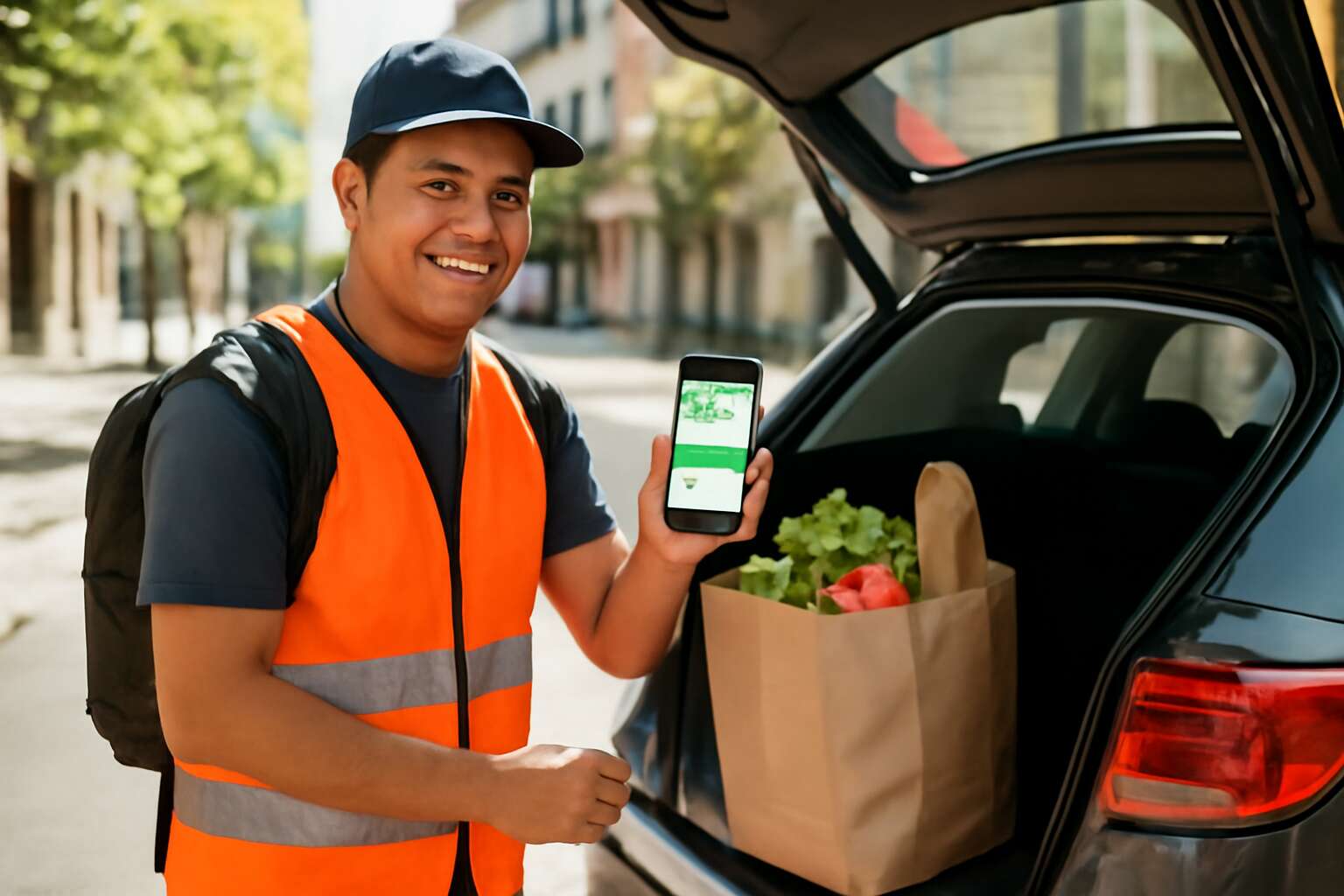
Understanding gig-based grocery shopping platforms
What is gig-based grocery shopping and how it works
A recent South African industry snapshot shows gig-based grocery services growing 27% year over year, reframing how households shop and how locals earn. The model blends speed with flexibility, turning ordinary errands into opportunities for careful time management and reliable income, all while keeping supermarket shelves busy and carts moving.
Understanding the structure clarifies the appeal. Platforms connect shoppers with orders, they shop in stores, and they deliver to customers’ doors. Payments, routing, and ratings ride on a single app, creating a transparent cycle of trust, efficiency, and accountability. This is an example of gig work like instacart.
- Real-time order flow
- Flexible scheduling
- Support and safety features
Earning models offered by shopper apps
Understanding how these apps pay is essential. In South Africa, the earning models offered by shopper apps usually blend a base per-order rate with item-driven bonuses and distance-based pay, plus tips and occasional peak-time incentives.
- Transparent payouts and fast settlements
- Flexible scheduling aligned to real-time demand
- Performance bonuses and safety-driven incentives
This structure makes the job feel like a practical career, not a lottery, rewarding accuracy, speed, and good customer service. For those considering gig work like instacart, the mix of pay and flexibility helps map out a week around store hours and delivery windows.
Grocery gig apps vs traditional on-demand marketplaces
Grocery errands in South Africa often feel like a quiet expedition, guided by apps rather than office hours. By comparing grocery gig apps with traditional on-demand marketplaces, the difference is clear: the former choreographs tasks through a shopper-friendly interface, while the latter pushes demand toward a service provider in real time. Shoppers juggle substitutions and delivery windows with a cadence built from base pay and item bonuses.
Key differences shape daily rhythm: scheduling, earnings, and safety woven into every order.
Consider these contrasts:
- Flexible scheduling aligned to real-time demand
- Transparent payouts and fast settlements
- Performance-based bonuses and safety incentives
For gig work like instacart, the blend of predictability and liberty can feel like charting a new weekly map.
This framework makes the grocery quest feel purposeful, guiding routine and pace!
Getting started as a shopper
Signing up and eligibility requirements
Shoppers across South Africa are turning late-night groceries into flexible cash—proof that gig work like instacart can fit a plan as tight as a budget meeting. “You can turn a grocery run into cash,” a Cape Town shopper told me, and I’ve seen that logic play out more times than I can count. I’ve watched schedules bend to those who value time more than a nine-to-five, and the result is independence with a wink of humor.
Getting started as a shopper means signing up with a reputable grocery gig app and meeting the basics. Here are common eligibility touchpoints (varies by app):
- Valid South African ID or passport
- Age 18+ and a smartphone with data
- Ability to pass a background check
- Access to a payout method (bank account or e-wallet)
Once approved, the platforms show nearby gigs and you choose shifts that feel like a reasonable compromise between freedom and responsibility.
Required gear and app setup
Getting started isn’t a hazy leap into a digital marketplace; it’s arming yourself with the right tools and a calm, deliberate routine. In South Africa, success here rewards those who arrive prepared: a dependable smartphone, a data plan that won’t quit, and a plan for when shifts fit life. I’ve watched nights bend to time-conscious shoppers, turning hesitation into confident independence.
- Smartphone with current OS and the app installed
- Reliable data plan and a portable power bank
- Insulated tote or reusable bags for groceries
- Linked payout method (South African bank account or an e-wallet)
Once the app is in your hands, the profile becomes your passport: identity verified, preferences noted, and notifications tuned to your rhythm. In this ecosystem, the payout method is a lifeline, and gear keeps pace with the curbside tempo, gig work like instacart.
First tasks and building early ratings
Getting started as a shopper isn’t a leap into the void; it’s a quiet, calculated rite. Your first tasks are simple but crucial: complete your profile, verify identity, and link a payout method. Tune your notifications so you hear the moment a fresh order lands. Practice quick item scanning and bag packing, then run a few test orders to build muscle memory.
- Complete profile and verify identity
- Link payout method (bank or e-wallet)
- Set store preferences and alerts
- Learn store layouts and substitution rules
Early ratings come from steady reliability: on-time arrivals, precise substitutions, and clear, courteous notes to shoppers. I watch the clock and the route, adapting on the fly; good feedback turns into quiet momentum. In the world of gig work like instacart, tiny consistency builds trust that pays off when the next order slides into view.
Common signup pitfalls and how to avoid them
The dawn world of groceries is a quiet grind—and that quiet matters. In South Africa, gig work like instacart is becoming a practical lane for flexible income, and the edge goes to those who show up with consistency. “Reliability is the quiet currency of grocery gigs,” says a veteran shopper.
Getting started can trip you up if you rush signup. Common signup pitfalls include incomplete profiles, identity verification hiccups, and payout method mix-ups. These slip-ups stall first orders and erode trust. Take time to ensure your profile is complete, your identity verified, and payment details clear so days feel steadier.
There’s a rhythm to rural life that rewards steadiness as much as speed. With patience, this line of work can settle into a reliable lane—where each early order confirms you’re part of a community that shows up, keeps promises, and helps the week run smoothly.
Earning potential and pricing strategies
Understanding commission structures and payout timing
Across South Africa, the quiet streets can become lanes of possibility once the shift begins. A recent snapshot of gig work trends shows peak-hour shopping can lift earnings by a notable margin for many shoppers. That’s the pulse of gig work like instacart: speed, accuracy, and smart prioritization transform minutes into meaningful take-home.
- Location density and customer demand
- Order size, complexity, and tips
- Promotions and peak-hour incentives from apps
Understanding commission structures and payout timing clarifies the financial rhythm. Most SA apps pay a base per item plus mileage, with occasional bonuses, and deductions for service fees or instant-payout options. Payouts arrive weekly or daily in rands, a cadence that shapes the overall cash-flow reality.
Maximizing earnings during peak hours and holidays
Peak-hour shifts transform ordinary shopping into a high-speed pursuit of dollars. In South Africa, shoppers report earnings climbing 20–35% during evening or weekend surges. This is the rhythm of gig work like instacart: speed, accuracy, and smart prioritization convert minutes into meaningful take-home.
- Maximize density: focus on zones with high order frequency and align shifts to peak times to shorten travel and increase items per hour.
- Target larger orders and back-to-back deliveries: batching efficient trips boosts per-hour earnings without sacrificing accuracy.
- Play the incentives: track app promos, surge bonuses, and tipping windows to time acceptances for the best financial payoff!
During holidays and busy weekends, let the market guide your pace and keep compensation in clear sight.
Bonuses, promos, and incentive programs
Evening surges lift earnings by 20–35% in South Africa, turning a routine grocery run into a high-speed sprint. This is the pulse of gig work like instacart, where speed, accuracy, and smart prioritization convert minutes into meaningful take-home.
Bonuses, promos, and incentive programs tilt the odds toward higher take-home pay.
- Surge bonuses during peak hours that extend the pay window
- Promos and app-wide promotions that stack with batches
- Tipping windows or guaranteed-minimum boosts that protect earnings
In a market that swells on holidays and busy weekends, these incentives provide clarity and motivation, guiding where effort earns the most. That dynamic—pace meeting promotion—defines the earning potential in this rapidly shifting marketplace.
Tracking income and managing taxes
In the rhythm of gig work like instacart, earning potential isn’t a fixed number—it’s a dynamic map you redraw with every shift. Smart pricing, batch batching, and disciplined tracking turn scattershot gigs into predictable take-home. In South Africa, where tax rules bite as steadily as peak-hour surges, knowing where your money lands matters more than ever.
To stay on top of income and obligations, I focus on a simple cadence:
- Record each order: time, distance, tip, and batch size to measure true earnings per hour
- Separate business-related expenses and keep all receipts for deductions
- Set aside a tax cushion (usually 15–25% of gross earnings) and adjust as your tax bracket changes
With this approach, the pace of gig work becomes a calculated engine rather than a roller coaster—steady, scalable, and surprisingly transparent.
Delivering exceptional shopper service
Effective communication with customers
Delivering exceptional shopper service isn’t a gimmick; it’s the engine of gig work like instacart. A recent South African survey found that 72% of customers value timely, courteous updates more than discounts. In SA’s bustling urban corridors, a crisp, friendly exchange can turn a routine order into a loyal customer story. Think brief greetings, quick confirmations, and timely updates—done with personality and respect for everyone’s time. I’ve found that a friendly check-in can save a delivery, too!
Effective communication with customers means more than saying hello; it’s about reading the room and responding with empathy. A shopper who nods at clarifications, explains delays succinctly, and stays calm under pressure builds trust that outlives a single delivery. Those small, human touches differentiate the best from the rest.
Maintaining order accuracy and substitutions policy
Delivering precise orders is the quiet engine of gig work like instacart. In South Africa, shoppers who minimize mix-ups cut delivery rework and boost ratings; 72% of customers value timely, courteous updates more than discounts—proof that accuracy earns trust faster than charm.
Maintaining order accuracy requires a crisp substitutions policy. Verify every item against the cart before checkout, confirm brands and sizes, and keep substitutions transparent with the customer. In the event of stock gaps, offer respectful alternatives and document each decision to avoid confusion.
- Double-check items, brands, and quantities
- Communicate substitutions policy clearly
- Notify quickly if an item is unavailable
A crisp, transparent approach to substitutions enhances customer satisfaction and protects your reputation.
Delivery etiquette and time management
South Africa’s shoppers prize timely updates: 72% value them more than discounts. That quiet preference is the engine behind dependable deliveries in gig work like instacart. It’s a reminder that service begins the moment a cart arrives on screen and ends with a smile.
Delivery etiquette blends patience, presence, and punctuality. In gig work like instacart, every minute counts, and a calm, courteous tempo sells trust as decisively as accuracy. I start by greeting staff, confirming item specifics, and keeping the customer in the loop about any hiccups.
Time management is a craft, not a sprint. I map routes, check stock, and pace conversations so I finish on time without rushing the moment. That balance—speed tempered by respect—turns first impressions into lasting ratings.
Platform comparisons and regional considerations
Choosing the right app for your goals
Platform choice can make or break your gig. In South Africa, the right app isn’t just about who pays fastest—it’s about where you live, when you work, and how steady the order flow is. As one shopper puts it: “Flexibility isn’t a side gig—it’s how I plan my week!”
Compare apps by regional coverage, customer support, and payout cadence. For gig work like instacart, you want an ecosystem that matches your goals—steady orders in your area, clear guidance, and responsive help when you need it.
Consider these factors when picking an app for your goals.
- Regional order density and seasonal peak times
- Payout speed and minimum balance thresholds
- Support accessibility in South Africa
The right fit is the app that consistently moves you toward your targets.
Regional demand patterns and scheduling tips
Across South Africa, regional demand can swing with the season, turning quiet weekdays into a hum of deliveries and groceries. In a study of shopper apps, some regions see 25–30% more orders on Saturdays and late afternoons. “Flexibility isn’t a side gig—it’s how I plan my week!” one shopper insists. When choosing an app, consider how well the platform covers your area and how predictable the flow of orders feels. This is the heart of platform comparisons for gig work like instacart, where your goals meet the market in real time.
Consider these factors as you weigh your options:
- Regional order density and seasonal peak times
- Payout speed and minimum balance thresholds
- Support accessibility in South Africa
The right fit is the app that consistently moves you toward your targets.
Alternatives to major grocery delivery apps
Platform comparisons reveal how regional scale shapes earnings in real time. In South Africa, a robust app balances coverage, predictability, and responsive support, turning a potential lull into a steady stream of orders. gig work like instacart shines when your locale is mapped with reliable delivery windows and real-time alerts, rather than sporadic bursts.
- Regional coverage depth and predictable surge windows
- Payout speed, minimum balances, and withdrawal options
- South Africa–focused support availability and response times
Beyond the biggest names, consider alternatives that connect you with local retailers and smaller networks. These platforms can offer steadier flows in quieter regions and quicker onboarding. The right choice aligns your goals with the market, turning routine shopping into a navigable adventure across SA towns.




0 Comments